Performed by Dr. Ravi Chandra Reddy Obili at Dr Ravi Chandra Reddy
Complex abdominal surgery involves advanced operations on the organs within the abdomen, including the stomach, intestines, liver, pancreas, and related structures. These procedures are considered when less invasive treatments have not worked or when conditions require extensive surgical repair. Dr Ravi Chandra Reddy evaluates each patient individually to determine whether surgery is needed and what approach will be safest.
We believe in honest, upfront disclosure so you can make an informed decision.
A step-by-step look at what happens during this procedure.
You receive general anaesthesia so you are fully asleep and feel no pain during the operation.
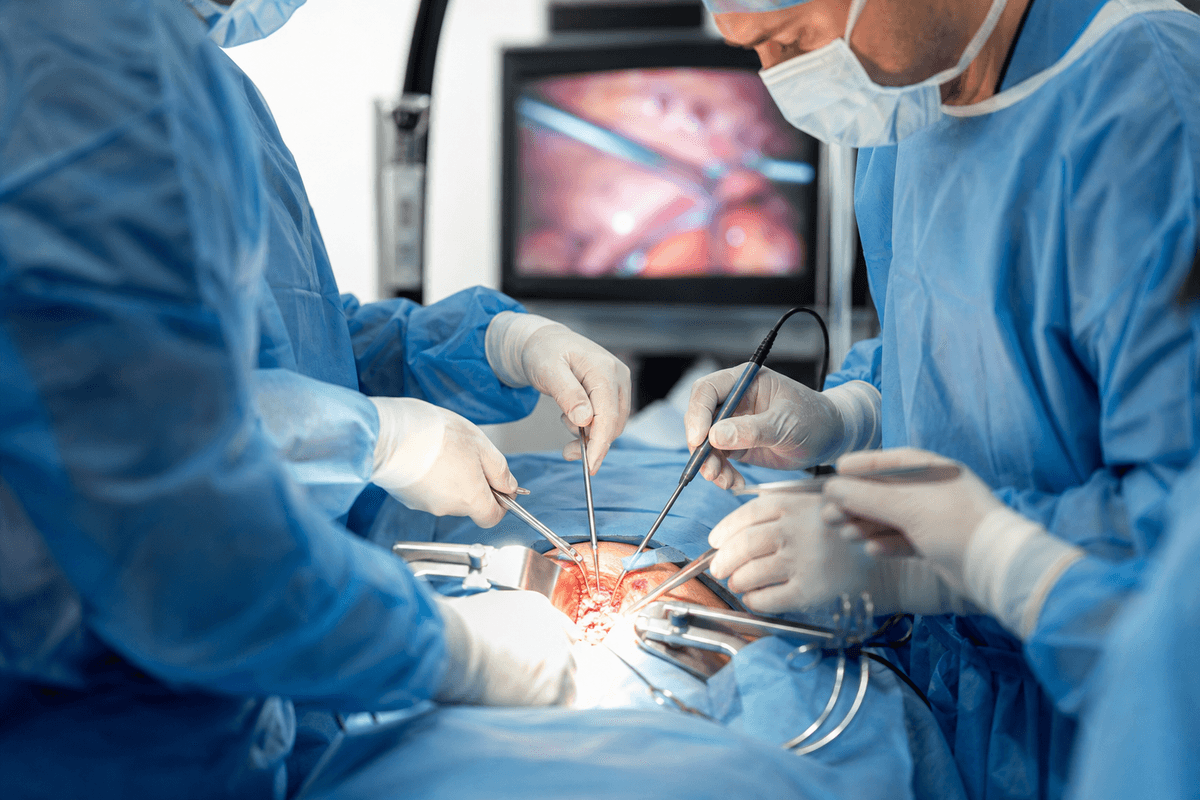
An incision is made in the abdomen, sized according to the complexity of the condition and organs involved.
The surgeon examines the abdominal organs, removes diseased tissue, repairs structures, and may reroute or reconnect parts of the digestive system.
Damaged or removed sections are reconstructed or connected to restore function, which may involve joining intestine segments or creating new pathways.
The incision is closed in layers, drains may be placed to remove fluid, and you are moved to recovery for close observation.
A structured, patient-first approach from first consultation to full recovery.
Dr Ravi Chandra Reddy reviews all imaging, lab results, and your medical history to plan the safest surgical approach for your specific condition.
The procedure is tailored to address the particular organs and problems involved, balancing the need for thorough treatment with preserving as much function as possible.
Advanced surgical methods are used to minimise blood loss, protect healthy tissue, and create secure connections between organs.
After surgery, your recovery is monitored closely with pain management, nutrition support, and guidance on activity to help you heal safely.
What to expect at each stage of your recovery journey.
You will spend the first days in hospital with intravenous fluids, pain relief, and monitoring of vital signs and wound drainage. Movement is encouraged as soon as safe.
Once home, you gradually increase activity, follow dietary guidelines, care for your wound, and watch for signs of infection or complications. Fatigue is common.
Over weeks to months, strength and stamina return. Follow-up appointments help ensure healing is progressing, and you receive guidance on resuming normal activities and work.
The surgery aims to remove cancerous or infected tissue, repair damaged structures, or relieve blockages, which can improve symptoms and function.
Depending on what was done, you may need to adjust to changes in digestion, bowel habits, or dietary tolerance. Some changes may be permanent.
Surgery may resolve pain, bleeding, or obstruction caused by the underlying condition.
While surgery addresses the immediate problem, ongoing treatment such as chemotherapy or medication may still be needed, and recurrence of disease is possible in some cases.
The right choice depends on your diagnosis, risks and circumstances — discussed with you at your consultation.
Medications, nutritional support, and symptom control may be options for some conditions if surgery carries too much risk or the disease is not suitable for operation.
Laparoscopic or robotic techniques may be possible for less extensive disease, offering smaller incisions and faster recovery, though they are not always feasible for complex cases.
When surgery cannot cure the condition or the risks outweigh the benefits, treatments focused on comfort and quality of life may be the most appropriate choice.
Let's clear up some of the most common myths about complex abdominal surgery.
Get a personalised assessment from an experienced specialist. Understand your options, ask your questions, and decide with confidence.