Performed by Dr. Ravi Chandra Reddy Obili at Dr Ravi Chandra Reddy
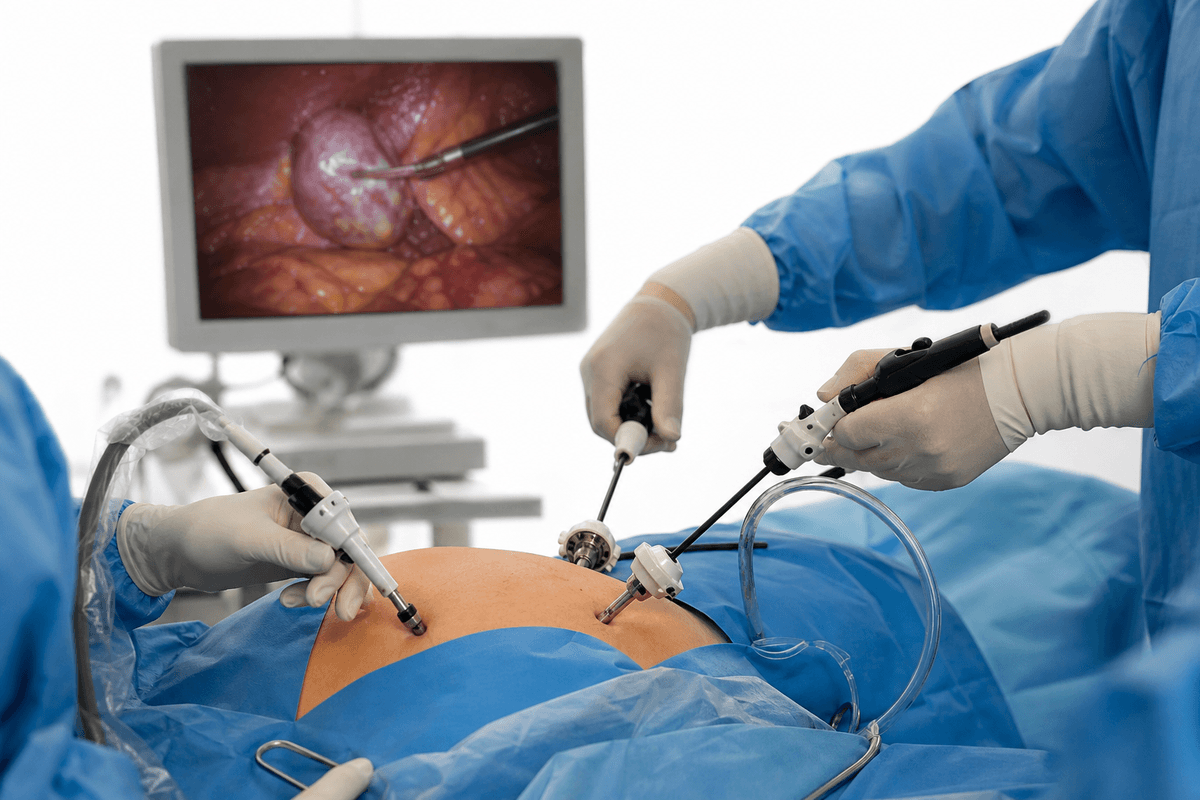
Complicated gallstone surgery is performed when gallstones lead to difficult situations such as severe inflammation, bile duct blockages, scar tissue from previous operations, or anatomical changes. Dr Ravi Chandra Reddy evaluates each case individually to determine the safest surgical approach, which may involve open surgery or advanced laparoscopic techniques depending on the complexity.
We believe in honest, upfront disclosure so you can make an informed decision.
A step-by-step look at what happens during this procedure.
The surgeon reviews CT scans, MRI, or ultrasound images to understand the anatomy, extent of inflammation, stone locations, and any complications before planning the safest approach.
The surgeon makes an incision—either a single larger cut for open surgery or multiple small cuts for laparoscopic surgery—depending on the complexity and what was found during pre-operative assessment.
Scar tissue from previous surgery or severe inflammation is carefully separated to safely reach the gallbladder and identify important structures like bile ducts and blood vessels.
The gallbladder is carefully disconnected from the bile duct and liver, taking extra care to avoid injury when anatomy is distorted or unclear due to inflammation or scarring.
If stones are found in the bile ducts, the surgeon may explore the ducts, remove stones, and sometimes place a drain. Any connections between the gallbladder and other organs are repaired.
A structured, patient-first approach from first consultation to full recovery.
Dr Ravi Chandra Reddy reviews all imaging and medical history to anticipate difficulties and plan the safest surgical strategy, discussing the approach and potential changes with the patient beforehand.
During surgery, the approach may be adjusted based on what is encountered. If laparoscopic surgery proves unsafe due to severe adhesions or unclear anatomy, conversion to open surgery is done to protect vital structures.
Special techniques such as intra-operative imaging or direct exploration are used when bile duct stones or injury are suspected, ensuring bile flow is restored safely.
Close observation in hospital allows early detection of any bile leak, bleeding, or infection, with prompt intervention if needed to support recovery.
What to expect at each stage of your recovery journey.
You will remain in hospital for observation. Pain management, fluids, and gradual return to eating are started. Drains may be in place initially. Your surgical team monitors for any early complications.
Once home, limit physical activity and follow wound care instructions. Fatigue is common. Gradually increase activity as tolerated. Avoid heavy lifting for four to six weeks. Follow dietary guidance provided by your team.
Most people adjust well after gallbladder removal. Some may notice looser stools or difficulty with very fatty meals. These symptoms often improve over time. Individual recovery varies; follow your doctor's specific advice.
Surgery aims to resolve pain, infection, and blockages caused by complicated gallstones. Many patients experience significant relief from symptoms once healing is complete.
Removing the gallbladder eliminates the risk of future gallstone-related problems in that organ. However, it does not address all digestive issues, and some patients may have ongoing symptoms unrelated to the gallbladder.
When bile duct stones or blockages are addressed, bile flow is restored. Some patients may need additional procedures if strictures or retained stones are found later.
Because of the complexity, healing takes longer and carries higher risk of complications compared to straightforward gallbladder removal. Individual outcomes depend on the extent of disease and overall health.
The right choice depends on your diagnosis, risks and circumstances — discussed with you at your consultation.
When stones are mainly in the bile ducts rather than the gallbladder, an endoscopic procedure called ERCP may be done first to clear the ducts. Gallbladder removal may still be needed later. Choice depends on stone location and patient condition.
In very high-risk patients who are too unwell for surgery, a drain may be placed through the skin into the gallbladder to treat infection temporarily. Surgery may be considered later when the patient is more stable, or the drain may be a long-term solution.
In rare cases where surgery carries prohibitive risk and symptoms are manageable, careful monitoring with antibiotics for infections and pain management may be chosen. This does not remove the gallbladder and complications may recur.
Let's clear up some of the most common myths about complicated gallstone surgery.
Get a personalised assessment from an experienced specialist. Understand your options, ask your questions, and decide with confidence.