Performed by Dr. Ravi Chandra Reddy Obili at Dr Ravi Chandra Reddy
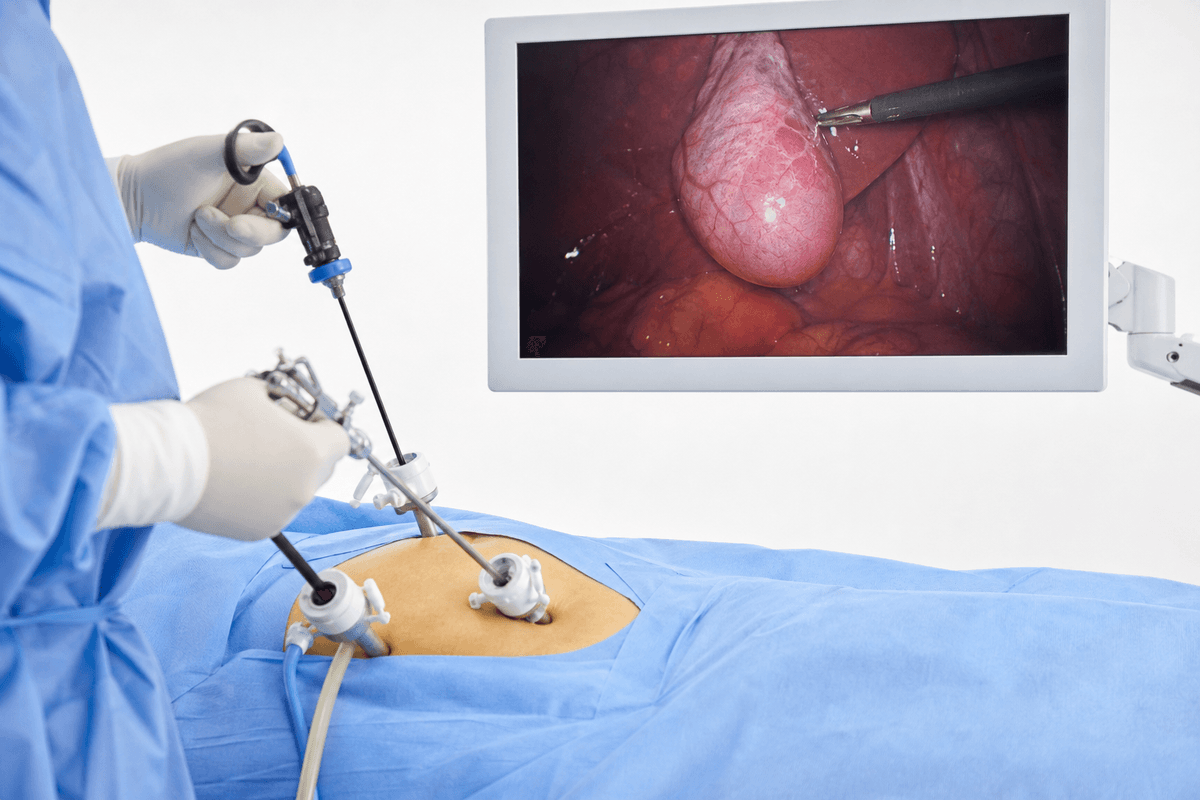
Laparoscopic gallbladder surgery, also called laparoscopic cholecystectomy, removes the gallbladder through several small incisions in the abdomen. A tiny camera and specialized instruments are used to carefully detach and remove the gallbladder. This minimally invasive approach typically results in less pain and faster recovery compared to open surgery. Dr Ravi Chandra Reddy performs this procedure for patients with gallstone disease and other gallbladder conditions.
We believe in honest, upfront disclosure so you can make an informed decision.
A step-by-step look at what happens during this procedure.
You are given general anaesthesia so you are asleep throughout the procedure. You are positioned on your back on the operating table.
Three to four small incisions, each about half to one centimeter long, are made in the abdomen. A hollow tube called a port is inserted through each incision.
Carbon dioxide gas is pumped into the abdomen to create space and lift the abdominal wall away from the organs. This gives the surgeon room to see and work.
A laparoscope, which is a thin tube with a camera and light, is inserted through one port. The camera sends images to a monitor. Surgical instruments are inserted through the other ports.
The surgeon carefully separates the gallbladder from the liver and detaches the cystic duct and artery that connect it. The gallbladder is then removed through one of the small incisions. The incisions are closed with sutures or surgical glue.
A structured, patient-first approach from first consultation to full recovery.
Dr Ravi Chandra Reddy reviews your imaging studies, blood tests, and medical history to plan the safest approach and identify any individual considerations.
Using magnified camera views, the gallbladder and surrounding structures are carefully examined. Each structure is identified before any division to protect the bile duct and blood vessels.
If anatomy is unclear or there is concern about bile duct stones, a special X-ray called cholangiography may be performed during surgery to map the bile ducts.
After surgery you are monitored as you wake from anaesthesia. You receive instructions for pain management, wound care, activity levels, and dietary adjustments before discharge.
What to expect at each stage of your recovery journey.
You will have soreness at the incision sites and may feel tired. Pain medication helps manage discomfort. Avoid heavy lifting and strenuous activity. Most people can manage light daily tasks and short walks. Your surgical team will give you specific instructions based on your situation.
Energy levels gradually improve. You can slowly increase activity as comfort allows. Many people return to work during this time if their job does not involve heavy physical labor. Continue to avoid lifting anything heavier than a few kilograms.
Most people feel back to normal. You can resume all usual activities including exercise and lifting. Some people notice occasional digestive changes like looser stools or sensitivity to fatty foods, which often settle over time.
The surgery aims to eliminate pain, nausea, and other symptoms caused by gallstones or gallbladder inflammation. Most people experience significant improvement in these symptoms after the gallbladder is removed.
Removing the gallbladder prevents future episodes of gallbladder inflammation, blockage of bile ducts, or infection that can occur with untreated gallstone disease.
Without a gallbladder, bile flows directly from the liver into the intestine instead of being stored. Some people experience changes in digestion, particularly with high-fat meals, though many adapt without noticeable issues.
This procedure removes the gallbladder and its contents. It does not treat other causes of abdominal pain or digestive symptoms unrelated to the gallbladder.
The right choice depends on your diagnosis, risks and circumstances — discussed with you at your consultation.
If gallstones are found but cause no symptoms, some people may choose to monitor the situation and avoid foods that trigger discomfort. Surgery may still be needed later if symptoms develop.
This traditional surgery removes the gallbladder through one larger incision instead of several small ones. It may be chosen if laparoscopic surgery is not feasible due to severe inflammation, scar tissue, or anatomy that makes the minimally invasive approach unsafe.
Certain oral medications can slowly dissolve cholesterol gallstones over many months. This option works only for specific types of small stones and has a high recurrence rate. It is rarely used given the effectiveness and safety of surgical removal.
Let's clear up some of the most common myths about laparoscopic gallbladder surgery.
Get a personalised assessment from an experienced specialist. Understand your options, ask your questions, and decide with confidence.