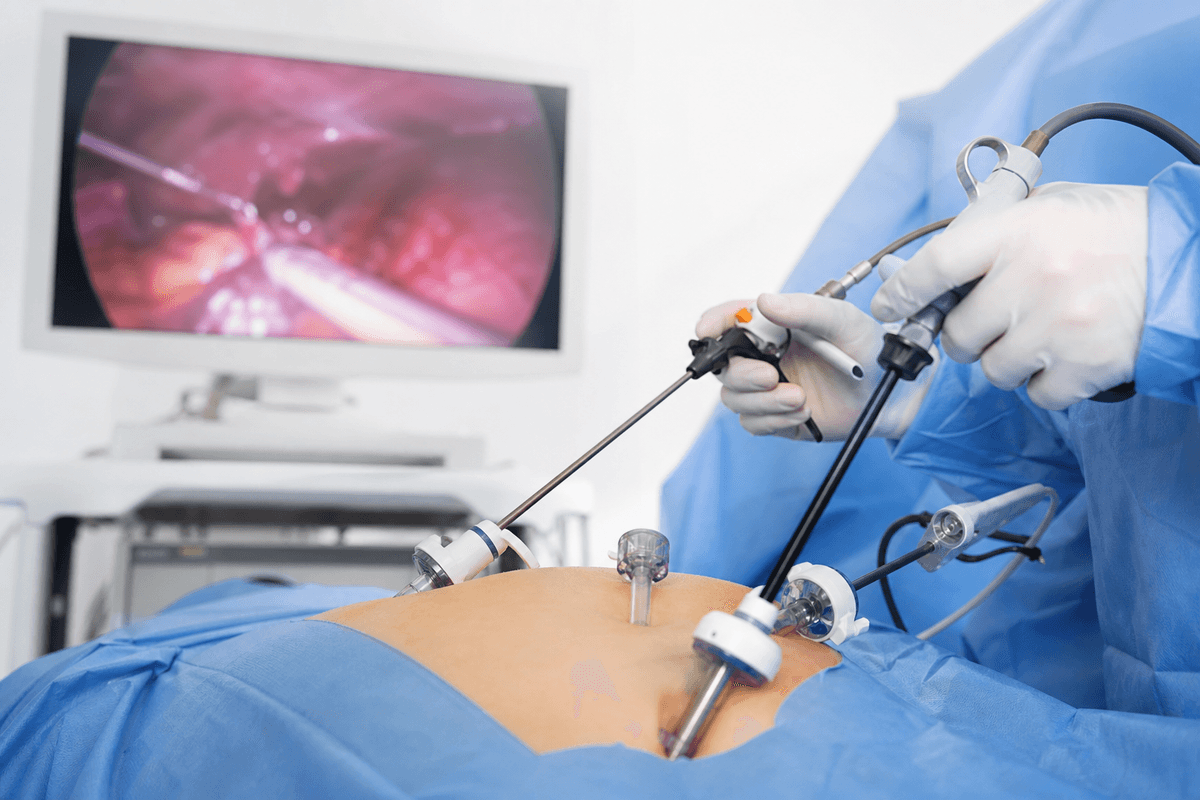
Performed by Dr. Ravi Chandra Reddy Obili at Dr Ravi Chandra Reddy
Complex gallbladder surgery is performed when standard removal is not feasible due to severe inflammation, dense scarring, anatomical variations, or prior abdominal operations. Dr Ravi Chandra Reddy uses advanced laparoscopic and open techniques to safely remove the gallbladder in these difficult circumstances, with careful attention to protecting nearby structures like the bile ducts and blood vessels.
We believe in honest, upfront disclosure so you can make an informed decision.
A step-by-step look at what happens during this procedure.
General anaesthesia is administered and you are positioned on the operating table to provide optimal access to the upper abdomen.
The surgeon attempts a laparoscopic approach with small incisions, or proceeds directly to an open incision if imaging suggests this will be safer.
Scar tissue and adhesions are carefully separated from surrounding organs, blood vessels and bile ducts to expose the gallbladder.
The cystic artery and cystic duct are identified, often with intraoperative imaging or cholangiography to confirm anatomy and avoid injury.
Once safely isolated, the gallbladder is removed. Any leaks are addressed, drains may be placed, and incisions are closed with sutures.
A structured, patient-first approach from first consultation to full recovery.
Dr Ravi Chandra Reddy reviews detailed imaging to understand the extent of inflammation, adhesions and anatomical variations before surgery.
Advanced techniques such as intraoperative cholangiography and careful dissection are used to protect bile ducts and blood vessels in scarred tissue.
The surgical plan is adjusted in real time based on findings, including conversion to open surgery if laparoscopy is deemed unsafe.
Close observation in hospital for several days ensures early detection and management of any complications such as bile leaks or bleeding.
What to expect at each stage of your recovery journey.
The first week involves rest at home, gradual increase in light activities, and a low-fat diet. Pain and fatigue are common and reduce over days. Individual instructions from your surgical team take priority.
Between weeks two and four, energy levels improve, incisions heal, and you can resume more daily tasks. Avoid heavy lifting and strenuous exercise during this phase.
By four to six weeks most patients return to normal activities including work and exercise, though timelines vary based on the complexity of surgery and individual healing.
The procedure aims to remove the diseased gallbladder and resolve symptoms such as pain, infection or jaundice. However, it does not address pre-existing digestive issues unrelated to the gallbladder.
Removing a severely diseased gallbladder may prevent future complications like rupture, abscess or bile duct obstruction. Recovery and outcomes depend on the extent of inflammation and any damage present before surgery.
Most people adapt well to living without a gallbladder. Some experience persistent changes in bowel habits or difficulty digesting fatty foods, which may require dietary adjustments.
If bile duct injury occurs despite precautions, further procedures or reconstructive surgery may be needed. Not all symptoms are guaranteed to resolve, particularly if caused by other conditions.
The right choice depends on your diagnosis, risks and circumstances — discussed with you at your consultation.
For patients too unwell to undergo surgery, a tube may be placed through the skin to drain an infected gallbladder temporarily. Surgery is often still needed later once the patient stabilises.
In some cases antibiotics and supportive care may be tried first if surgery is too risky. This does not remove the gallbladder and symptoms often recur, so ongoing assessment is required.
If acute inflammation is severe, waiting several weeks for inflammation to settle before attempting removal may reduce surgical complexity. The choice depends on individual risks and clinical condition.
Let's clear up some of the most common myths about complex gallbladder surgery.
Get a personalised assessment from an experienced specialist. Understand your options, ask your questions, and decide with confidence.