Performed by Dr. Ravi Chandra Reddy Obili at Dr Ravi Chandra Reddy
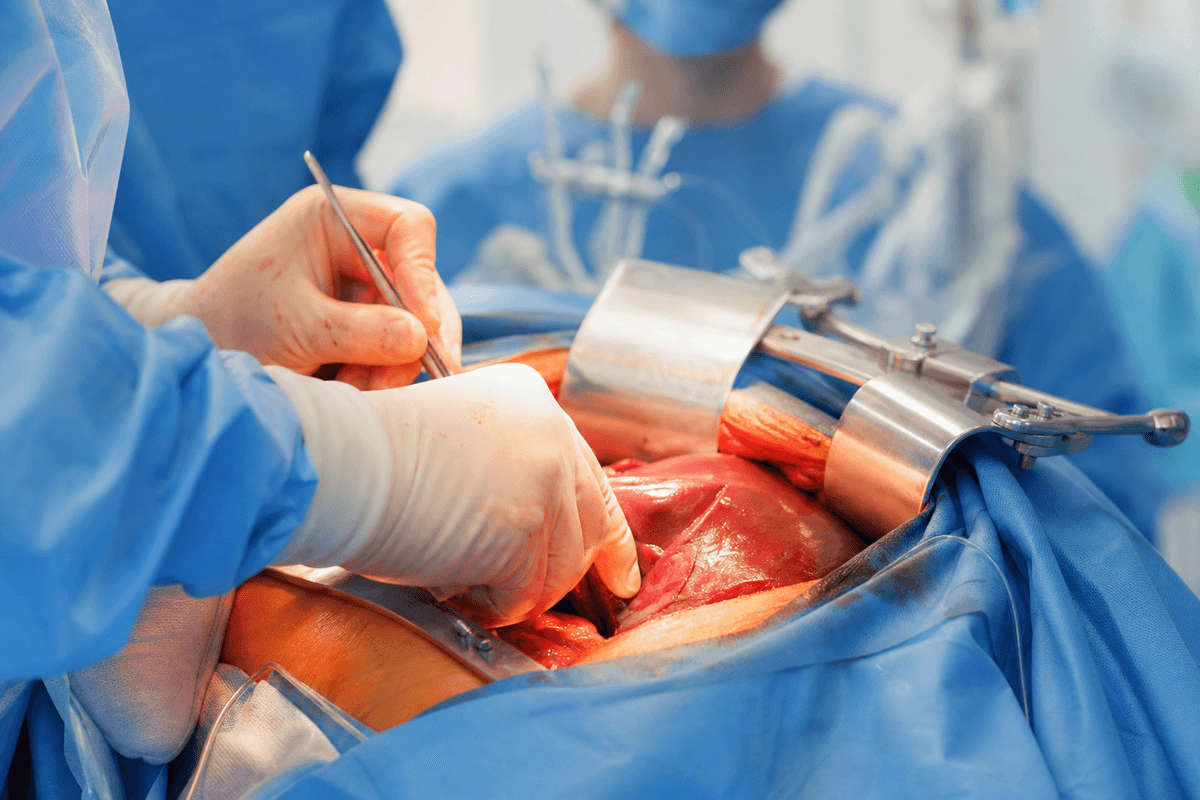
Liver surgery involves removing part of the liver to treat conditions such as tumours, cysts, abscesses or damage from disease. The liver has a unique ability to regenerate, allowing healthy tissue to grow back after surgery. Dr Ravi Chandra Reddy evaluates each patient individually to determine whether surgery is appropriate and what type of procedure is needed.
We believe in honest, upfront disclosure so you can make an informed decision.
A step-by-step look at what happens during this procedure.
General anaesthesia is given so you are asleep and pain-free throughout the procedure.
An incision is made in the upper abdomen to access the liver. The size and location depend on the portion being removed.
The liver is carefully freed from surrounding structures and blood vessels are identified and protected.
The diseased portion of the liver is cut away. Techniques are used to control bleeding and preserve healthy tissue.
The remaining liver surface is checked for bleeding or bile leaks, drains may be placed, and the incision is closed with sutures.
A structured, patient-first approach from first consultation to full recovery.
Dr Ravi Chandra Reddy reviews imaging studies to map the liver anatomy, locate the disease and plan the safest resection margins.
The procedure is performed with careful attention to blood vessel control and preservation of maximum healthy liver tissue.
Blood loss, liver function and vital signs are monitored throughout to guide surgical decisions and fluid management.
Recovery is supported through pain management, nutrition guidance and monitoring of liver regeneration and wound healing.
What to expect at each stage of your recovery journey.
You will be monitored closely for bleeding, bile leaks and liver function. Pain is managed with medication, and liquids are introduced gradually before solid food. Drains may stay in place for several days.
Rest is essential. You will have restrictions on heavy lifting and strenuous activity. Appetite and energy return gradually over several weeks. Follow-up appointments track liver regeneration and wound healing.
The liver regenerates over weeks to months. Most people return to normal activity by 6-8 weeks, though individual timelines vary. Ongoing monitoring may be needed depending on the underlying condition.
Surgery aims to remove the tumour, cyst, abscess or damaged portion of the liver while leaving enough healthy tissue to maintain liver function.
The liver can regrow to near-normal size over weeks to months, restoring function. However, regeneration depends on the health of the remaining liver and the extent of resection.
For cancer, surgery may offer the best chance of long-term control, but recurrence is possible. For benign conditions, symptoms typically improve, though some underlying liver disease may remain.
If significant liver tissue is removed or the remaining liver is diseased, some loss of liver function may occur, requiring ongoing medical management.
The right choice depends on your diagnosis, risks and circumstances — discussed with you at your consultation.
Radiofrequency or microwave ablation destroys tumours without removing liver tissue. May be suitable for small tumours or when surgery carries higher risk.
Medications may shrink tumours or control disease spread. Sometimes used before or instead of surgery, depending on tumour type and extent.
For small, benign liver lesions that are not causing symptoms, regular imaging and watchful waiting may be appropriate instead of immediate intervention.
Let's clear up some of the most common myths about liver surgery.
Get a personalised assessment from an experienced specialist. Understand your options, ask your questions, and decide with confidence.