Performed by Dr. Ravi Chandra Reddy Obili at Dr Ravi Chandra Reddy
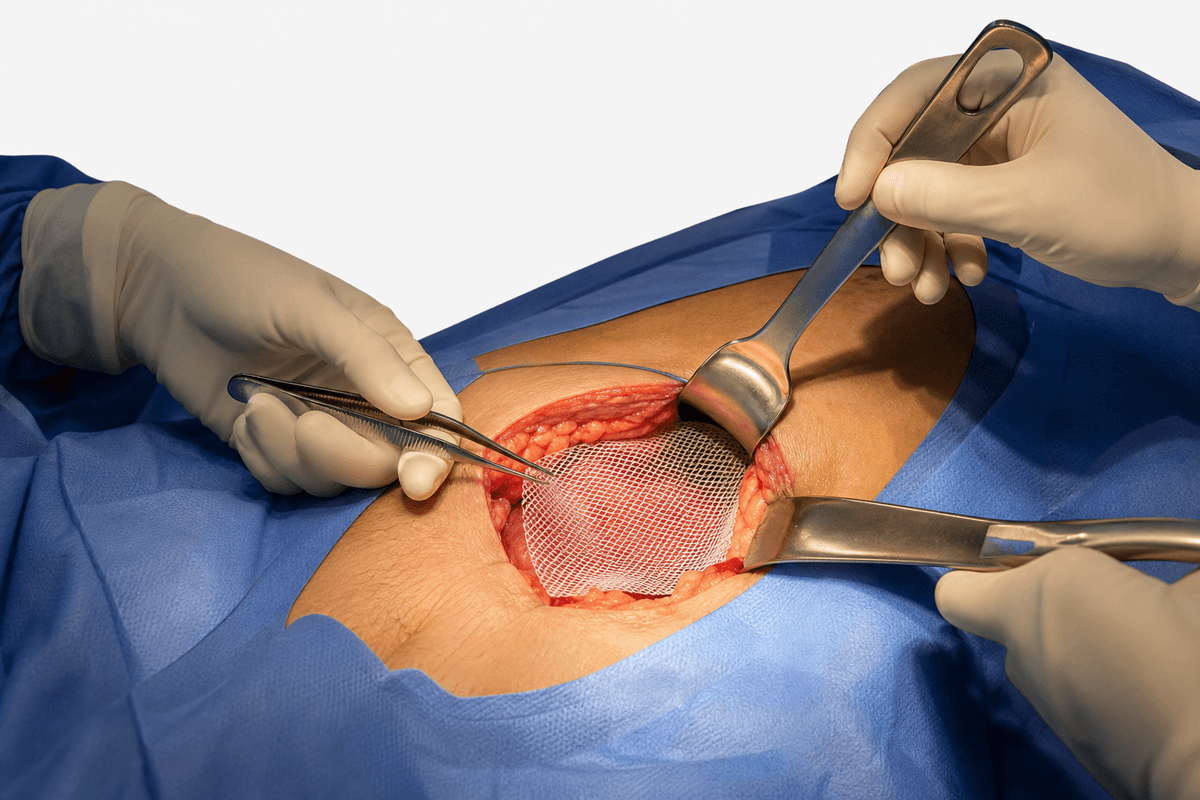
Open hernia repair is a surgical procedure used to fix hernias in the abdominal wall. During the surgery, an incision is made over the hernia site, the bulging tissue is pushed back into place, and the weakened muscle wall is strengthened using stitches or a synthetic mesh. Dr Ravi Chandra Reddy performs this procedure for patients with inguinal, umbilical, incisional, and other abdominal wall hernias that require surgical correction.
We believe in honest, upfront disclosure so you can make an informed decision.
A step-by-step look at what happens during this procedure.
General or regional anaesthesia is given to ensure you are comfortable and pain-free throughout the procedure.
A surgical cut is made directly over the hernia site to access the bulging tissue and weakened muscle layer.
The protruding tissue or organ is gently pushed back into the abdominal cavity where it belongs.
The weakened or torn muscle and tissue are repaired, often reinforced with a synthetic mesh to add strength and reduce recurrence risk.
The surgical wound is closed with stitches or staples, and a dressing is applied to protect the area during healing.
A structured, patient-first approach from first consultation to full recovery.
Dr Ravi Chandra Reddy evaluates the hernia type, size, and your overall health to determine if open repair is the most suitable approach for your situation.
The hernia is repaired using appropriate techniques, with or without mesh reinforcement, depending on the characteristics of the defect and tissue quality.
Your condition is monitored in the immediate post-operative period to ensure stable vital signs, pain control, and early detection of any complications.
Detailed instructions are provided for wound care, activity restrictions, and follow-up visits to support safe recovery and return to normal activities.
What to expect at each stage of your recovery journey.
The first few days involve rest, wound care, and pain management. You may be advised to avoid heavy lifting and strenuous activity. Individual recovery varies, and you should follow the specific instructions provided by your clinical team.
During the first two to four weeks, most people gradually resume light daily activities. Swelling and discomfort typically decrease, though some tenderness at the incision site is normal. Activity increases should be guided by comfort and clinical advice.
Full recovery, including return to work and regular exercise, usually takes four to six weeks or longer depending on the type of hernia, repair technique, and individual healing. Heavy lifting and vigorous activity timelines are determined on a case-by-case basis.
The procedure aims to eliminate the bulge and relieve pain or discomfort caused by the hernia, allowing you to return to normal activities without the limitations the hernia imposed.
Repairing the hernia helps prevent serious complications such as bowel obstruction or strangulation, which can occur if a hernia is left untreated.
While the repair strengthens the abdominal wall, hernias can recur in some cases. Mesh reinforcement reduces this risk, but no repair guarantees the hernia will never return.
The surgery corrects the specific hernia defect but does not prevent new hernias from forming in other areas or address underlying conditions that may weaken the abdominal wall over time.
The right choice depends on your diagnosis, risks and circumstances — discussed with you at your consultation.
A minimally invasive approach using small incisions and a camera. It may result in less post-operative pain and faster recovery for suitable candidates, though it is not appropriate for all hernia types or situations.
For small, asymptomatic hernias, careful monitoring without immediate surgery may be considered. This approach depends on the hernia characteristics, symptoms, and risk of complications, and requires regular follow-up.
A supportive device worn over the hernia to provide temporary relief from discomfort. This does not fix the hernia and is not a long-term solution, but may be considered when surgery carries high risk or is not desired.
Let's clear up some of the most common myths about open hernia repair.
Get a personalised assessment from an experienced specialist. Understand your options, ask your questions, and decide with confidence.